Improve Your Home With Sleek Modern Roof Lanterns
Modern roof lanterns yield a premium solution for improving home illumination and space. These architectural features not only brighten dark areas but also strengthen the overall visual appeal of a room. Their malleability in styling and materials allows homeowners to personalize their spaces effectively. However, selecting and installing the right lantern requires deliberate consideration. Understanding these elements can revolutionize a home's feel considerably. What factors should one keep in mind when making such an investment?
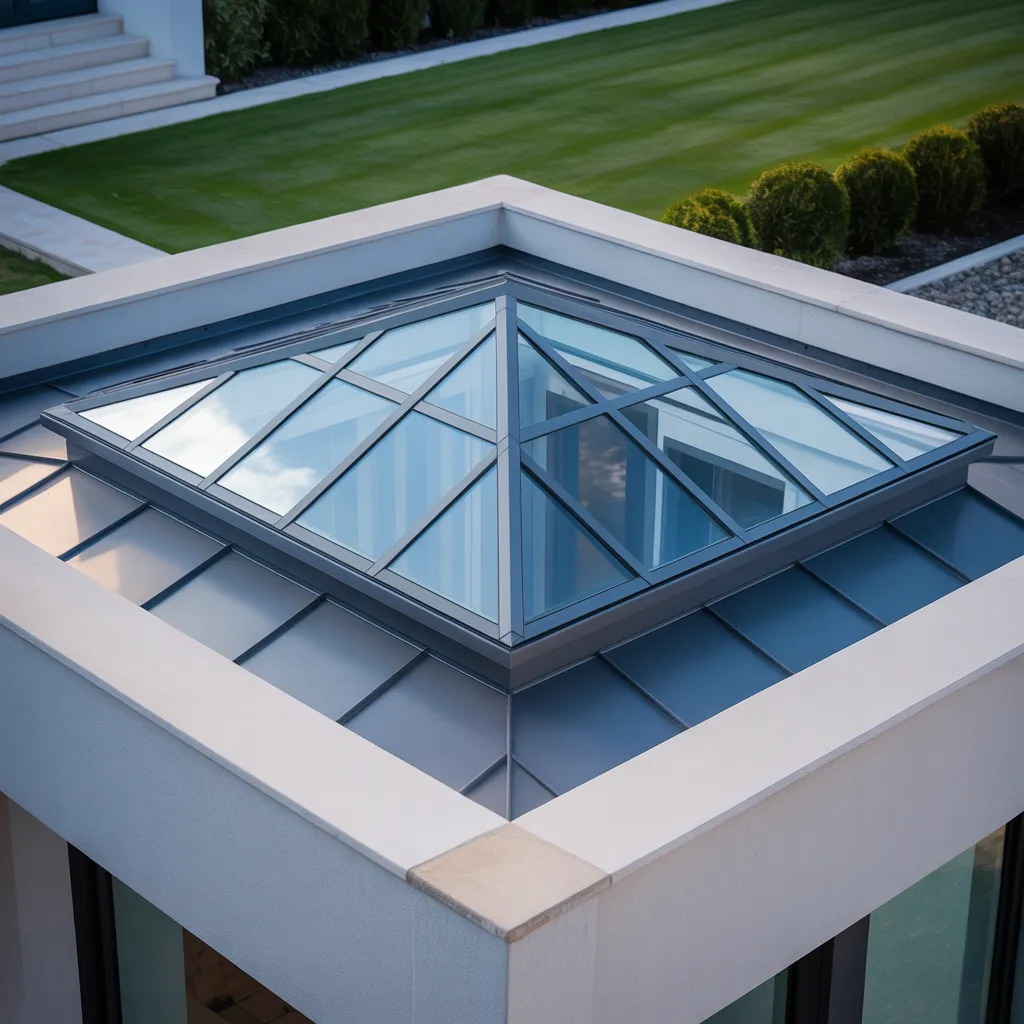
How Roof Lanterns Overcome Lighting and Space Difficulties
Roof lanterns substantially boost daylight in internal areas, transforming dark spaces into luminous, welcoming spaces. These architectural features operate not only to brighten but also to create an appearance of larger, more open areas. Positioned strategically, roof lanterns collect daylight from above, effectively diffusing it in all directions. This natural illumination decreases dependence on man-made illumination, advancing fuel efficiency.
Alongside their lighting capabilities, roof lanterns also improve ventilation. Many models include operable skylights, allowing fresh air to move, which is particularly helpful in kitchens and living spaces. The aesthetic appeal of roof lanterns further boosts the overall home design. By bridging the gap between indoor and outdoor areas, they create a seamless connection with nature. Ultimately, roof lanterns address both lighting and spatial challenges, making them a functional choice for modern interiors looking to maximize brightness and openness.
Finding the Best Aesthetic for Your Living Space
When selecting the right style for a home, one must consider how a roof lantern can match the overall architecture and interior design. Various styles of roof lanterns, from contemporary to traditional, offer distinct aesthetic benefits. For modern homes, sleek, minimalistic designs with clean lines boost the space without overwhelming it. In contrast, classic Victorian or Edwardian styles can add a touch of elegance and charm to period properties.
Furthermore, the choice of materials plays a vital role. Options such as aluminum, wood, or glass can influence the lantern's appearance and durability. Color also matters; a subdued palette may blend smoothly, while vibrant colors can create a dramatic focal point.
Ultimately, the roof lantern should complement the current design, enriching the home's charm while providing a unified look. By carefully evaluating these aspects, homeowners can pick a roof lantern design that elevates their home.
Improving Organic Radiance and Design Elegance
Modern roof lanterns function as a powerful tool for maximizing daylight exposure, significantly brightening interior spaces. Their elegant architectural features not only improve the overall aesthetic appeal but also provide practical benefits, such as enhanced energy efficiency. By incorporating these elements, homeowners can design inviting environments while decreasing reliance on artificial lighting.
Maximizing Daylight Access
Natural solar illumination functions a major role in uplifting the ambiance of interior spaces, making the purposeful use of roof lanterns an fundamental design element. By maximizing daylight exposure, these fixtures enhance the overall ambiance while reducing reliance on artificial lighting. The placement and size of roof lanterns can greatly shape how light enters a room, allowing for an equal distribution of luminosity throughout the day. Furthermore, the crystal-clear materials commonly used in lantern construction create an unobstructed flow of light, forming a sense of openness. This integration not only cultivates a warm environment but also showcases architectural features, improving both functionality and aesthetic appeal. Ultimately, roof lanterns serve as a polished solution for harnessing natural light, enriching the home experience.
Elegant Architectural Features
Roof lanterns act as remarkable architectural features that perfectly merge functionality with style. These elegant installations lift any space, drawing the eye skyward and improving the complete look of a home. By including smooth lines and modern designs, roof lanterns can complement a range of architectural forms, from contemporary to traditional. Their clear forms let in daylight to flood into living areas, creating an warm atmosphere while displaying interior design details. Moreover, roof lanterns can serve as features, adding distinctiveness and warmth to otherwise ceilings. Homeowners appreciate their adaptability; whether set in kitchens, living rooms, or hallways, roof lanterns not only brighten spaces but also enhance the home’s architectural theme, enhancing both beauty and functionality.

Energy Efficiency Benefits
While many architectural features emphasize solely visuals, energy efficiency plays an important role in the benefits of roof lanterns. These designs not only boost a home’s beauty but also maximize natural light, cutting down the need for artificial lighting during the day. By strategically installing roof lanterns, homeowners can light spaces with sunlight, creating radiant, pleasant interiors. This influx of natural light can result in decreased energy consumption and smaller electricity bills. Additionally, modern roof lanterns are often made with energy-efficient glazing, which helps preserve comfortable indoor temperatures by reducing heat loss in winter and preventing overheating during summer. Therefore, roof lanterns provide a functional and stylish solution for energy-conscious homeowners.
Tips to Think About When Fitting Roof Lanterns
When considering the installation of roof lanterns, several key elements must be examined to guarantee both visual attractiveness and functional efficiency. First, the size and shape of the lantern should match the design aesthetic of the home, guaranteeing a unified look. The placement is also critical; ideally, roof lanterns should be installed in spaces that optimize natural light while reducing heat loss.
The selection of material significantly affects longevity and energy efficiency. Options such as aluminum and timber each deliver unique benefits, including thermal protection and weather resistance. Additionally, the kind of glazing impacts heat efficiency and safety.
Finally, it is critical to consider local construction codes and zoning ordinances, which may dictate particular specifications for installation. By carefully evaluating these elements, homeowners can enhance both the aesthetic appeal and practicality of their living spaces with modern roof lanterns.
Upkeep Recommendations for Extended-Life Roof Lanterns
Maintaining the longevity of roof lanterns requires a consistent care plan that is essential. Regular cleaning stops the accumulation of dirt and debris, which can obstruct light and diminish aesthetics. Moreover, periodic inspection of gaskets is important to copyright thermal performance and stop water infiltration.
Standard Cleaning Timetable
A consistent cleaning routine is essential for keeping the look and performance of roof lanterns. Over time, dust, debris, and weather conditions can collect, diminishing their look and obstructing light. To secure maximum efficiency, it is recommended to clean the lanterns at least twice a year, ideally in spring and autumn. Use a gentle fabric or sponge with a mild detergent solution to carefully wipe the glass and frames. Avoid scratching agents that could scratch the surface. For hard-to-reach areas, a delicate brush can be employed. Regular cleaning not only improves appearance but also lengthens the life of the lanterns, confirming they maintain effective illumination. Following this schedule develops a friendly and radiant environment.
Review Seals Periodically
Consistently checking seals is essential for maintaining the wholeness of roof lanterns. Over time, seals can degrade due to exposure with weather elements, leading to potential leaks and reduced energy efficiency. Homeowners should examine seals for breaks, separations, or wear indicators at least twice a year. Any clear damage should be repaired promptly to forestall further issues.
To perform a thorough assessment, it's wise to check both the interior and exterior joints, ensuring they remain watertight and sound. If any deterioration is noted, re-coating with appropriate substances or contacting a professional may be necessary. By stressing seal inspections, dwellers can strengthen the service life of their roof lanterns and sustain an appealing and well-lit living space.
Can Roof Skylights Cut Money?
In what ways can skylights help achieve financial benefits in a dwelling? Roof lanterns enhance natural light, decreasing the necessity for artificial lighting during the day. This can lead to reduced energy bills, especially in spaces where they are positioned. Additionally, the flood of daylight can foster a more inviting environment, potentially increasing home valuation and making residences more desirable to buyers.
Furthermore, roof lanterns can enhance ventilation when designed with operable features, which helps maintain comfortable indoor temperatures. This can cut reliance on heating and cooling systems, further contributing to energy savings. By optimizing the use of daylight and improving air circulation, homeowners may find that their overall energy consumption decreases, leading to significant long-term savings. In this way, roof lanterns not only enhance aesthetics but also serve as a practical investment for energy efficiency.
Imaginative Design Ideas for Roof Lanterns
Placing multi-layered lanterns can produce dimension and visual intrigue, allowing daylight to dance across various surfaces. Using materials like metallic or wooden can coordinate with existing decor, bringing warmth or a sleek modern finish. For outdoor spaces, weather-resistant options featuring integrated LED lighting can offer both functionality and beauty.
To conclude, placing lanterns strategically over living and dining spaces can create an inviting atmosphere, making them not just a lighting source, but a design statement that elevates any setting.
Often Asked Questions
What Elements Are Generally Incorporated for Roof Lanterns?
Conventional resources for roof lanterns feature aluminum, glass, and timber. These materials are opted for their permanence, visual charm, and competence to withstand various weather conditions, ensuring longevity and effective light transmission in residential designs.
Are Roof Lanterns Appropriate for All Roof Types?
Roof lanterns may not be ideal for all roof types. Their effectiveness and installation are contingent upon considerations like pitch, structure, and material, requiring careful consideration to assure compatibility and peak results in multiple environments.
Are Roof Lanterns Capable to Be Customized for Exact Sizes?
Yes, roof lanterns are able to be tailored to suit particular dimensions, catering to varied architectural styles and selections. This adaptability enables occupants to enhance their home environments while ensuring ideal light and ventilation through bespoke installations.
What Is the Typical Life Expectancy of a Roof Lantern?
A roof lantern's typical life expectancy extends between 20 to 50 years, determined by materials and care. High-quality options tend to last longer, while susceptibility to harsh weather can impact durability and performance.
Do You Need Planning Permission for Roof Lanterns?
Roof lanterns commonly do not require approval if they comply with local rules and professional tips standards. However, it is recommended for homeowners to consult their local council to verify specific requirements before fitting.